Thursday,30 April 2026
Gold is up. So is platinum. So is silver. For retailers and designers working in precious metals, the last few years have been a lesson in adapting to a market where the price of your raw materials can shift overnight. Here is what the trade is actually doing about it.
When we asked UK jewellers what their biggest challenge was right now, the answer was not surprising. 68.9% cited rising material costs as a major concern. What was more interesting was everything that came after that answer: the practical, often creative ways the trade is finding its footing in a market that has fundamentally changed.
The value of gold has soared, increasing by 8.3% during the first 3 months of 2026 alone. Platinum prices jumped 108% between March 2025 and March 2026 alone, driven in part by industrial demand from the electric vehicle sector. Silver rose by over 212% over the same period. For anyone buying precious metals to make jewellery, these are not abstract market movements. They land directly on the cost of every piece.
The reasons behind the increases are tangled. Gold pricing has never been a straightforward matter of supply and demand. It is linked to geopolitical pressure, global interest rates, institutional investment, and the economics of mining itself. Strikes and environmental regulations in South Africa have cut gold supply, the Russia-Ukraine conflict has disrupted 40% of the global palladium supply, and the growing appetite for platinum group metals in EV battery production has pushed industrial demand up. The jewellery trade sits downstream from all of it.
So what is the trade doing?
The short answer from our Luxury in Flux research is: adapting, and doing so with more pragmatism than panic.
Nearly half of the jewellers we surveyed, 46.7%, changed their material choices in the last twelve months, either because of price, ethics, or both. That is a significant shift in a trade that has historically moved slowly on sourcing decisions. Two-thirds now use recycled gold. 32.3% use Fairtrade gold. 21.6% use Single Mine Origin (SMO) gold.
These are not just ethical choices, though they are that too. They are commercial ones. Recycled gold can offer greater price stability than newly mined material and carries a story that a growing number of customers actively want to hear. SMO gold gives retailers and designers something concrete to say about where their metal came from. Fairtrade gold carries certification that supports the conversation about responsible sourcing at the point of sale.
One respondent told us their biggest focus for 2026 was simply: “sustainable sourcing and working around rising material costs.” Those two things are more connected than they might first appear. The jewellers who are managing cost pressure most effectively are often the same ones who have diversified their sourcing approach and built a clearer narrative around the materials they use.
The lab-grown question
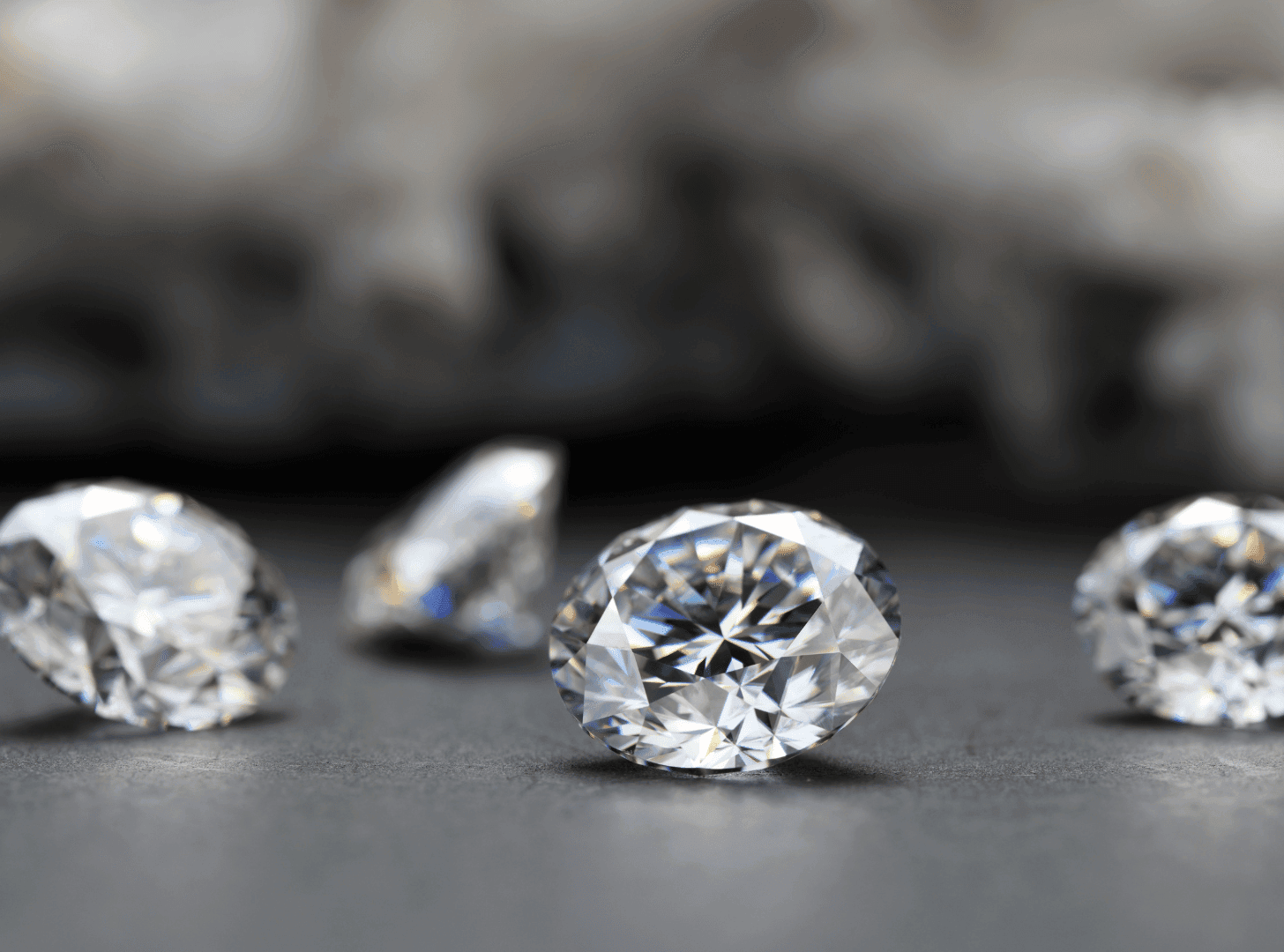
Material costs have also pushed more of the trade toward lab-grown diamonds. 51.5% of respondents now offer them, compared to 71.9% offering natural diamonds. The response from the trade is not uniform. One designer told us: “Lab-grown diamonds are opening up designs for a wider clientele.” Another said they believed the biggest trend for 2026 would be “smaller natural diamonds being a sign of quiet wealth.”
Both things can be true. Lab-grown opens price points that were previously out of reach for some customers. Natural stones carry a different kind of story. The trade is not choosing between them so much as working out when each is the right answer.
Small-batch as strategy, not compromise
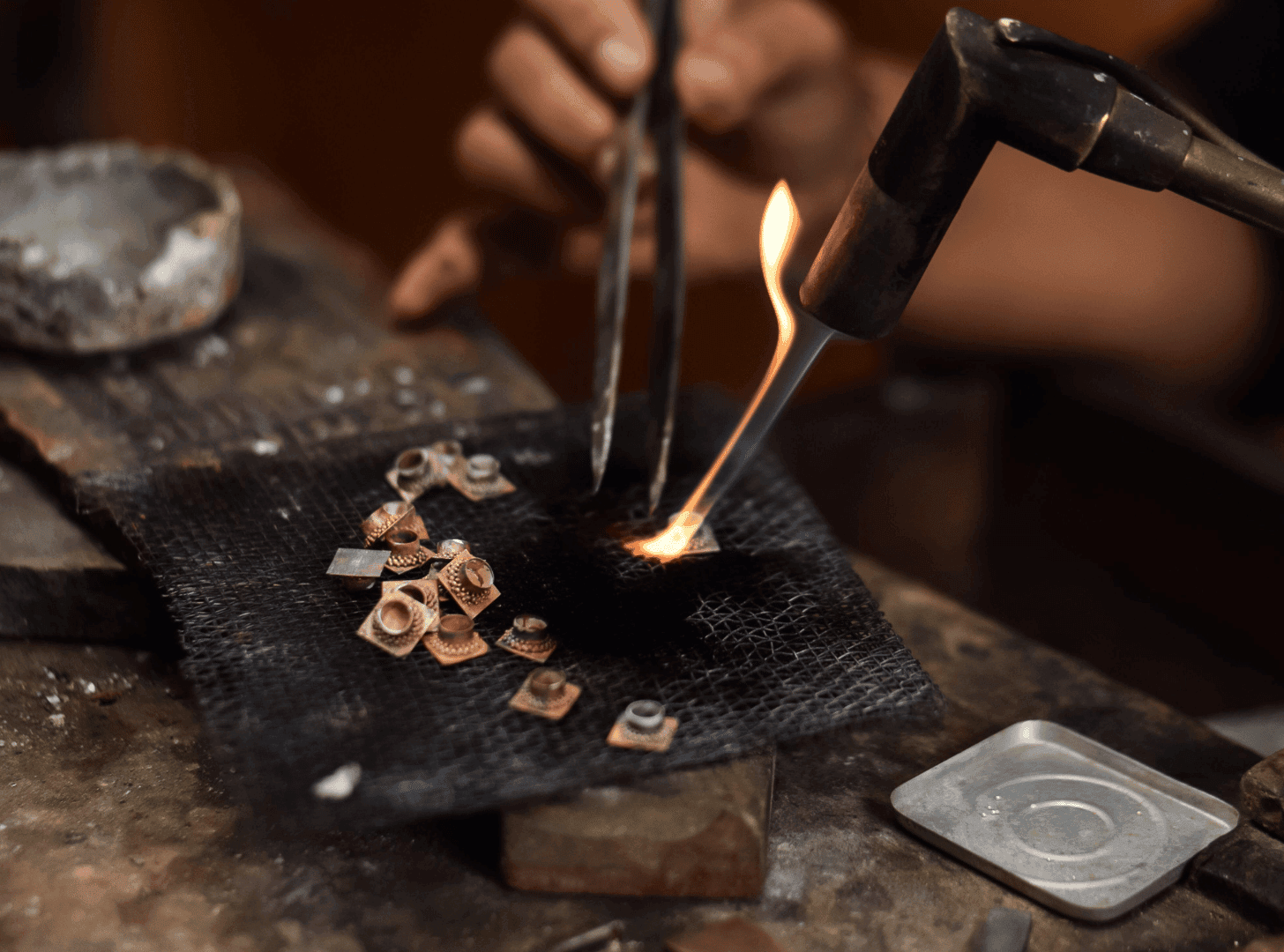
One of the clearest responses to cost pressure in our data is the move toward small-batch production. 41.3% of those surveyed said small-batch production was a priority for 2026. This is worth pausing on, because it represents a shift in how the trade thinks about scale.
Ordering less does not have to mean earning less. Smaller runs reduce the risk of holding expensive stock when metal prices move. They allow designers to test new pieces before committing significant material cost. And they create a sense of scarcity that, done well, supports rather than undermines margin. The trade is learning to use the constraints imposed by volatility as a design principle.
The conversation customers are starting
There is one more dimension to the cost story that our research surfaced clearly, and it sits at the intersection of price and ethics. Customers are asking more questions about materials than they were two or three years ago. Over 54% of retailers and designer/makers report receiving sourcing inquiries. That number is only going one way.
The challenge is that the confidence to answer those questions is not keeping pace. Only 34.7% of respondents feel very confident discussing sustainability and sourcing with customers. The materials are often already in place. The story around them is what is missing.
This matters commercially. 80% of global consumers say they would pay more for sustainably sourced goods. If a customer asks about recycled gold and the answer is vague or uncertain, that is not just a missed conversation. It is a missed sale, and possibly a missed relationship.
“Materials can tell the story of quality and ethics, but volatility makes that conversation tougher.” - Naomi Newton-Sherlock, Director, Weston Beamor
The businesses finding their way through cost pressure most effectively are the ones turning that toughness into something worth talking about.
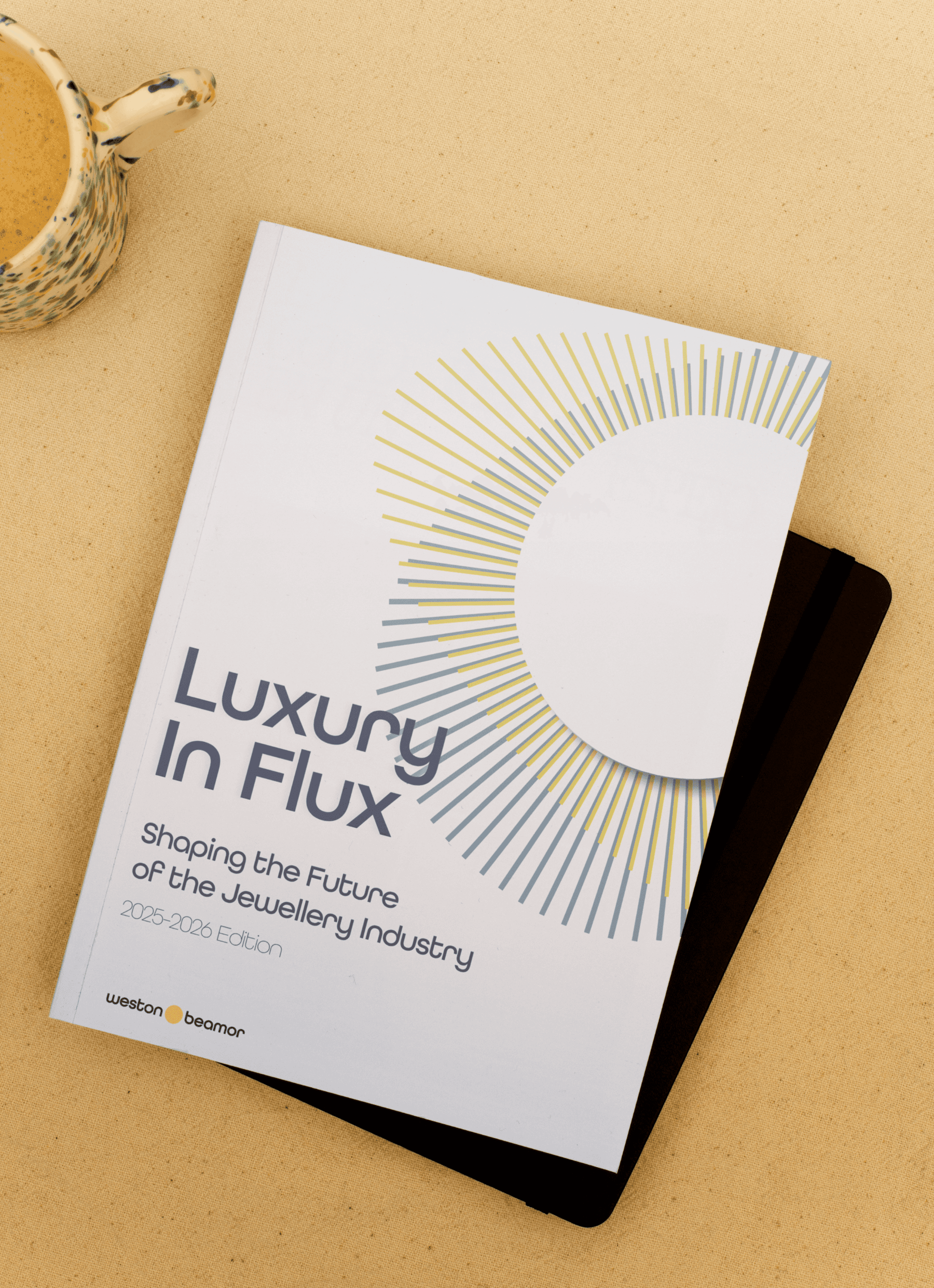
The full Luxury in Flux report goes deeper on all of this, including the ethics debate, the toolkit for communicating material value to customers, and what the trade’s sourcing choices say about where the market is heading. This first-party research data in partnership with Retail Jeweller outlines everything you need to know about the UK jewellery industry, with insights direct from your industry peers. You can download your copy for free.

Weston Beamor has been casting precious metals since 1947. Working with a broad spectrum of customers for nearly 80 years has made Weston Beamor one of the most respected and trusted names in the jewellery industry. Company Number 00465213